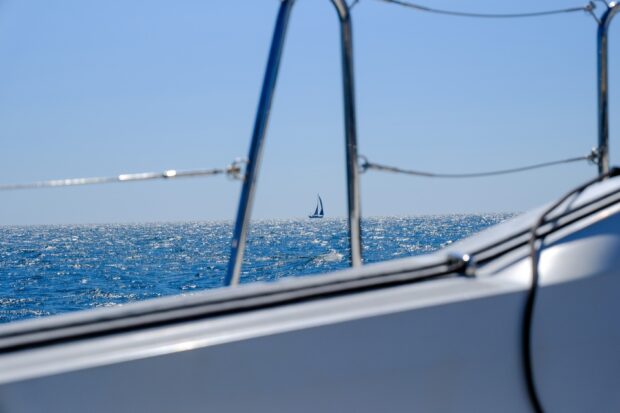
At their best, commercial sailing holidays are a safe and exciting way to spend time at sea, voyaging the world and learning new skills from expert professional mariners.
Berths can be bought for days or weeks to crew on vessels ranging from cosy yachts to mighty tall ships. People signing up can be a mix of complete beginners and highly experienced sailors, working together to take on the serious challenge of the oceans.
For UK-flagged vessels, many of the safety requirements of these trips – often dubbed “adventure sailing holidays” – are overseen by the Maritime and Coastguard Agency (MCA).
Enjoy a taste of life on the ocean waves – without the worry.
Through sets of rules, known as codes, safety requirements are applied to vessels, varying on their use and construction. UK-flagged adventure sailing holiday vessels are usually covered by the MCA’s Sport or Pleasure Vessel Code.
For those considering taking to the water, our experts offer some simple checks and polite questions to ask before making your reservation to make sure your operator is safe and shipshape.
We hope they help you enjoy a taste of life on the ocean waves – without the worry.
1. Tick off the paperwork
If you’re paying for the trip, the vessel should be operating as a commercial vessel not a private “pleasure” outing.
For many small commercial sailing vessels (under 24 metres and typically carrying up to 12 passengers), safety expectations sit within the MCA’s Sport or Pleasure Vessel Code. This came into force on 12 December 2025 although there are transitional arrangements for existing certified vessels.
What to ask:
- Is the vessel certificated for commercial use, and can you show me the certificate or confirmation?
- What are your operating limits? (For example, distance and sea/weather conditions the vessel is certified for).
2. Crunch the numbers
Before you book, make sure you understand how many passengers will be on board.
The Sport or Pleasure Vessel Code is aimed at small commercial vessels carrying no more than 12 passengers. If an operator proposes carrying more than 12 passengers, different regulatory requirements may apply with other safety requirements to be aware of.
What to ask:
- How many passengers will be carried, and is it a shared trip?
- What is the maximum number you are permitted to carry?
3. Who’s in charge?
A professional operator will be comfortable explaining who is responsible on board and what qualifications they hold.
On British‑flagged small commercial vessels, skippers working commercially require an appropriate qualification with a commercial endorsement, which has defined training and medical fitness requirements.
What to ask:
- Who is the skipper today?
- What qualification do they hold for commercial operations, and is it commercially endorsed?
4. Safety briefing, safety kit, safer voyage
Before departure, you should receive a clear, passenger‑friendly briefing, such as:
- how to move safely on deck
- when to wear a lifejacket
- what to do if someone falls overboard
- how the crew will communicate instructions
Commercial certification under the Sport or Pleasure Vessel Code is built around practical safety standards (including lifesaving and operational arrangements) appropriate to the vessel and its operating area.
What to look for:
- Lifejackets available in the right sizes, and guidance on when they’ll be worn.
- A briefing that feels calm, routine and confident – not rushed or dismissive.
5. Red light; green light
Good operators plan conservatively, monitor conditions, and will change or cancel activity if the weather shifts. You should be told what happens if conditions deteriorate and who makes the final decision.
The Code regime is designed around operating within clear limits and managing risk appropriately for the vessel, crew and passengers.
What to ask:
- What conditions would cause you to shorten, change or cancel the trip?
- If the forecast changes, what’s the plan and how will you keep passengers informed?
6. Trust your instincts
If an operator can’t answer basic questions about certification, passenger numbers, who is in charge, or the safety briefing – or if anything feels unsafe – ask yourself: do I feel secure to board?
There will be other opportunities to return and enjoy the water with confidence. The sea isn’t going anywhere.
Safe sailing!
The MCA will take enforcement action where commercial sailing operations fail to meet statutory safety requirements, including where vessels are operated without the correct certification, coding, manning or safety arrangements.
The MCA’s position is clear: any vessel under 24 metres operated for reward must comply with the relevant Small Commercial Vessel Code and be operated strictly within the limits of its certification.